




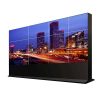
55 Inch 3×4 LCD Video Wall for Transport Control Centers
Description
Concentrate Transport Operations on Twelve Displays
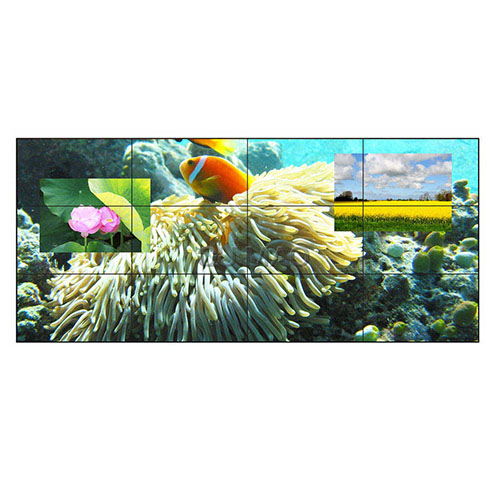
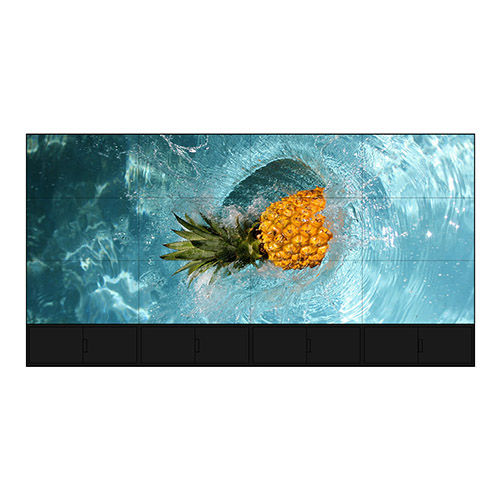
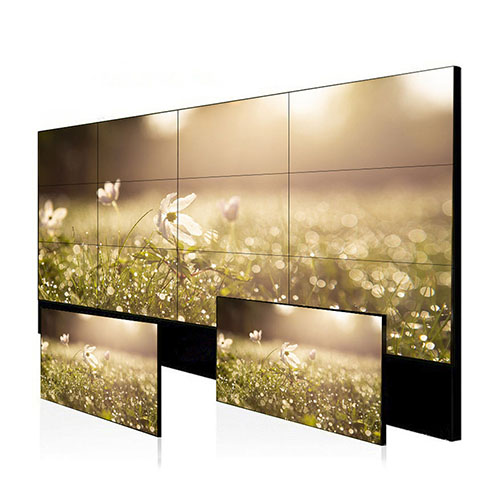
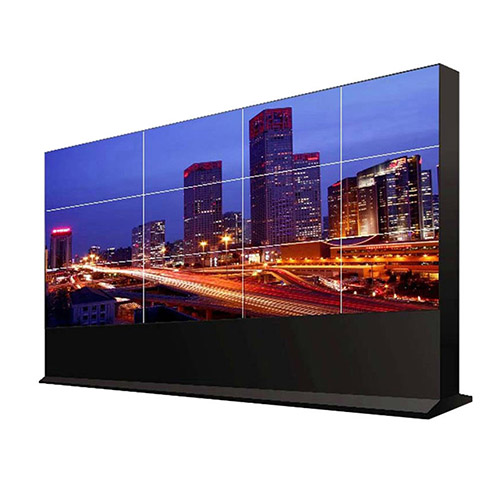
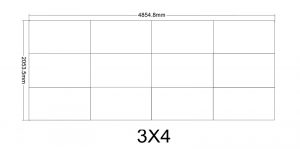
A 55-inch 3×4 wall suits road, bus, rail or integrated transport control centers. Twelve display zones can combine route maps, vehicle positions, station condition, priority video, weather, alarms and response resources within a compact operating wall.
Keep the primary map or network health in a stable position and recall video or detailed data by event. The wall carries shared situation and coordination, while individual workstations retain detailed control, records and search. A 55 inch 3×4 lcd video wall transport control center display should preserve one shared network reference during routine and disrupted service.
Build Different Logic for Peaks, Disruption and Briefings
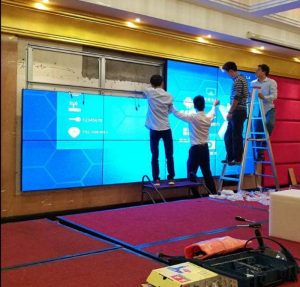
Routine mode emphasizes trends and exceptions, peak mode highlights capacity and congestion, and an incident scene shows the affected area, alternatives, resources and response progress. Presets can evolve with each event stage instead of forcing operators to rearrange windows.
When several incidents run together, primary and secondary zones should retain location, time, ownership and last update. Scene permissions must follow the duty structure so a rapid change does not remove monitoring for unaffected lines. The preset register should define event priority, authorized users and the condition that returns each temporary scene to normal duty.
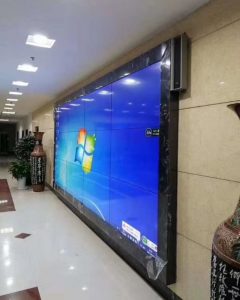
Keep Maps and Status Intact between Bezels
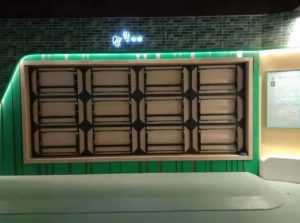
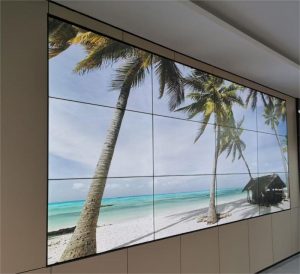
Station names, junction IDs, vehicle numbers, time fields and alarm messages need safe positions. The map may span several panels, but critical nodes stay away from joints and an affected section expands through an approved preset.
Combine color with text and icons, and distinguish unverified alarms from confirmed events. Rear consoles should identify location and direction, while dense logs remain on individual workstations to reduce visual burden. Maps on the 55 inch 3×4 lcd video wall transport control center display should be approved with actual station and corridor names.
Align Video, Location and Operating Platforms
Connected systems may use different names, time bases and refresh cycles. The wall should show source, update time and connection state so delayed video or an old position cannot be mistaken for live information.
Analytics can identify a possible problem, but dispatch decisions require human confirmation. Role-based permissions protect control and sensitive video, while critical preset calls and configuration changes remain traceable. A common time and naming standard helps dispatch, field response and communications teams discuss the same location without translation.
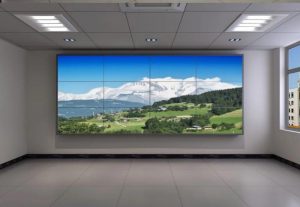
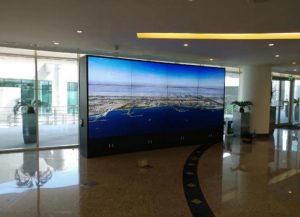
Design Zoned Maintenance for Continuous Duty
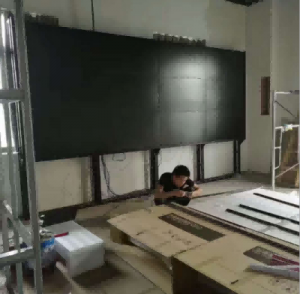
Transport centers often operate continuously, so power, signals, processing and cooling should be serviceable by zone. A core map, incident list and communications state can remain available through a fallback source or emergency scene.
Coordinate screen, port, cable and source numbers. After service, verify camera relationships, map extent, time synchronization, presets and permissions rather than stopping when the image returns. Maintenance of the 55 inch 3×4 lcd video wall transport control center display should retain the core route and active incident context.
Commission through a Transport Incident Exercise
Simulate a line delay or road collision from alert and video verification through map location, resource dispatch, public communication and recovery. Operators should confirm that each stage supports their actual work from normal seats.
Test delayed data, one lost video feed and control recovery. Operations, dispatch and technical teams should jointly approve the fallback page, recovery time and documented results. Exercise findings should identify both technical faults and workflow gaps before the wall becomes part of continuous transport operations.
Define the Proposal through Interfaces and Continuity Goals
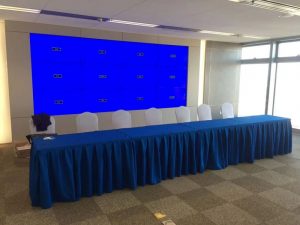
Provide the room plan, consoles, viewing distance, route or network scope, connected platforms, video and data inputs, interfaces, operating hours, racks and network conditions.
Document redundancy, remote conferencing, playback, secondary-center sharing, recovery targets and permissions. The inventory defines display, processing, control, mounting, transmission, commissioning and training without guesswork. Verified interfaces let the 55 inch 3×4 lcd video wall transport control center display receive a controlled, comparable proposal.

Frequently Asked Questions
Can maps and video appear at the same time?
Yes. Processing can reserve a main map area with supporting video and alarm zones.
Will an analytic alert change the full wall automatically?
It can follow a rule, but priority control and human confirmation are recommended.
How can operators tell whether data is current?
Layouts should show timestamps, refresh state and source identity.
Can core transport information remain during service?
Zoning and fallback scenes can reduce the impact, subject to the selected architecture.
You must be logged in to post a review.
Related products
-

4×5 LCD Video Wall for Shopping Center Event Spaces
Build a Flexible Twenty-Panel Canvas…
-

2×3 LCD Video Wall System for Control Rooms
Six Panels for Continuous Monitoring…
-

3×3 LCD Video Wall for Industrial Process Monitoring
Build the Wall Around the…
-

2×2 LCD Video Wall System for Meeting Rooms
A Four-Panel Solution for Meetings…
Reviews
There are no reviews yet.