

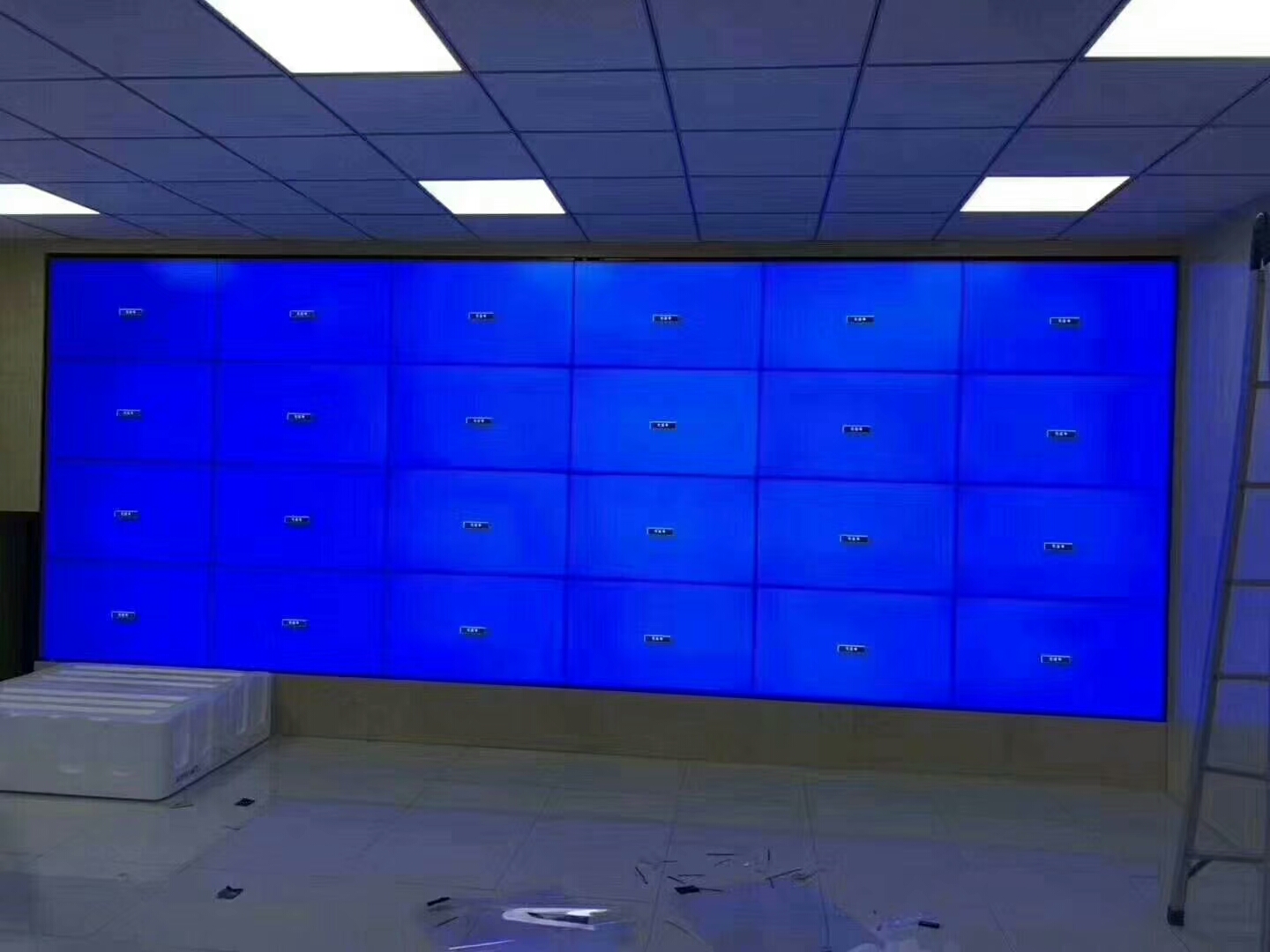
6×4 LCD Video Wall for Traffic Management Centers
Description
Combine Road Networks and Junction Status
A 6×4 LCD video wall for traffic management centers provides twenty-four display zones for network maps, priority-junction video, signal status, incidents, weather and response resources. Six wide columns help operators compare corridors and follow the direction of a road network.
The routine layout should emphasize trends and exceptions rather than showing every camera continuously. When congestion, a collision or equipment failure appears, the related road segment, upstream and downstream junctions and available response resources can move into an incident scene. A shared network view helps traffic, field response and communications teams use the same location and event reference.
Save Distinct Presets for Peaks, Events and Collisions
Morning peaks, bad weather, large public events and construction change monitoring priorities. Presets can adjust the map extent, camera group, signal metrics and message position so the duty team enters the right operating mode quickly.
During a collision, the screen should evolve through detection, verification, traffic control, diversion and recovery. The primary event area keeps location, time and ownership visible even when the team changes camera views. Event presets should also define the return condition so temporary diversion information does not remain after roads reopen.
Balance Automated Analysis with Human Verification
Analytics may flag congestion, stopped vehicles or unusual queues, but each alarm should display its origin and verification state. Unconfirmed detections and confirmed incidents need different treatment so an automated result does not become a dispatch decision without review.
Video, mapping and signal platforms should show update status. If a source is delayed or offline, the 6×4 LCD video wall for traffic management centers must identify it clearly instead of leaving old information that appears current. Human confirmation status should be visible to every operator who may act on the alert or communicate it externally.
Plan Readability across a Six-Column Canvas
Road names, junction IDs, lane states and timestamps must remain readable from the rear consoles. Detailed tables belong on individual workstations, while the wall carries trends, locations and action status. Critical labels require safe margins from vertical bezels.
Expanded camera images should respect the resolution of the original feed rather than enlarging weak detail without purpose. Moderate brightness, consistent color and limited moving borders reduce fatigue during continuous duty. Sightline testing should cover the far left and right desks because six columns create different viewing angles across the room.
Support Maintenance without Losing the Core Network View
Organize power, signals and control components by service zones. A critical network map, event list or communication status can use a fallback page or alternate input while a local component is maintained.
Match screen coordinates, source names and rack ports. After an upgrade or replacement, verify camera mapping, map extent, preset permissions and time synchronization so a restored image is also operationally correct. Maintenance records should capture the original source mapping before work begins and confirm it again after restoration.
Commission with a Realistic Traffic Incident
Simulate a main-road collision from detection and video verification through map location, signal adjustment, diversion and recovery. Confirm that each role can call the right scene and read the required status from its normal position.
Also test one lost camera, delayed map data and control recovery. Acceptance of the 6×4 LCD video wall for traffic management centers should document scene response, synchronization, fault reporting and the recovery process. The drill should measure whether the displayed information supports the response workflow rather than only timing screen changes.
Submit Network and System Details for Configuration
Provide the control-room plan, sightlines, duty positions, hours, mapping and video platforms, source count, interfaces, traffic signal system, routers and network conditions.
Identify redundancy, remote conferencing, recorded playback and sharing with secondary centers. The resulting scope can accurately separate display, processing, control, structure, cabling, commissioning and training. For a 6×4 LCD video wall for traffic management centers, interface details are essential to a reliable proposal.
Frequently Asked Questions
Can cameras be recalled automatically by road segment?
Yes, when the traffic platform or control system supplies a defined relationship between events and camera groups.
Can an analytic alert automatically occupy the main wall?
It can, but priority and human confirmation are recommended to prevent false alarms from repeatedly interrupting operations.
What if the map and video times differ?
Use a common time source and display refresh status, then verify acceptable differences during commissioning.
Can the core road map remain visible during maintenance?
A zoned architecture and fallback scene can preserve core information, subject to the final system design.
Inquiry
You must be logged in to post a review.
Related products
-

3×3 LCD Video Wall for Industrial Process Monitoring
Build the Wall Around the…
-

4×1 Vertical LCD Video Wall for Broadcast Studios
Build a Clear Production Hierarchy…
-

1×2 LCD Video Wall for Compact Control Rooms
Why Two Screens Work in…
-
5×4 LCD Video Wall for Event Production Centers
A twenty-panel production display for…
Reviews
There are no reviews yet.