

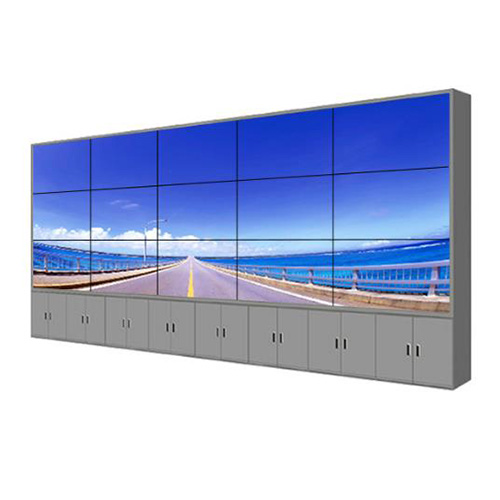
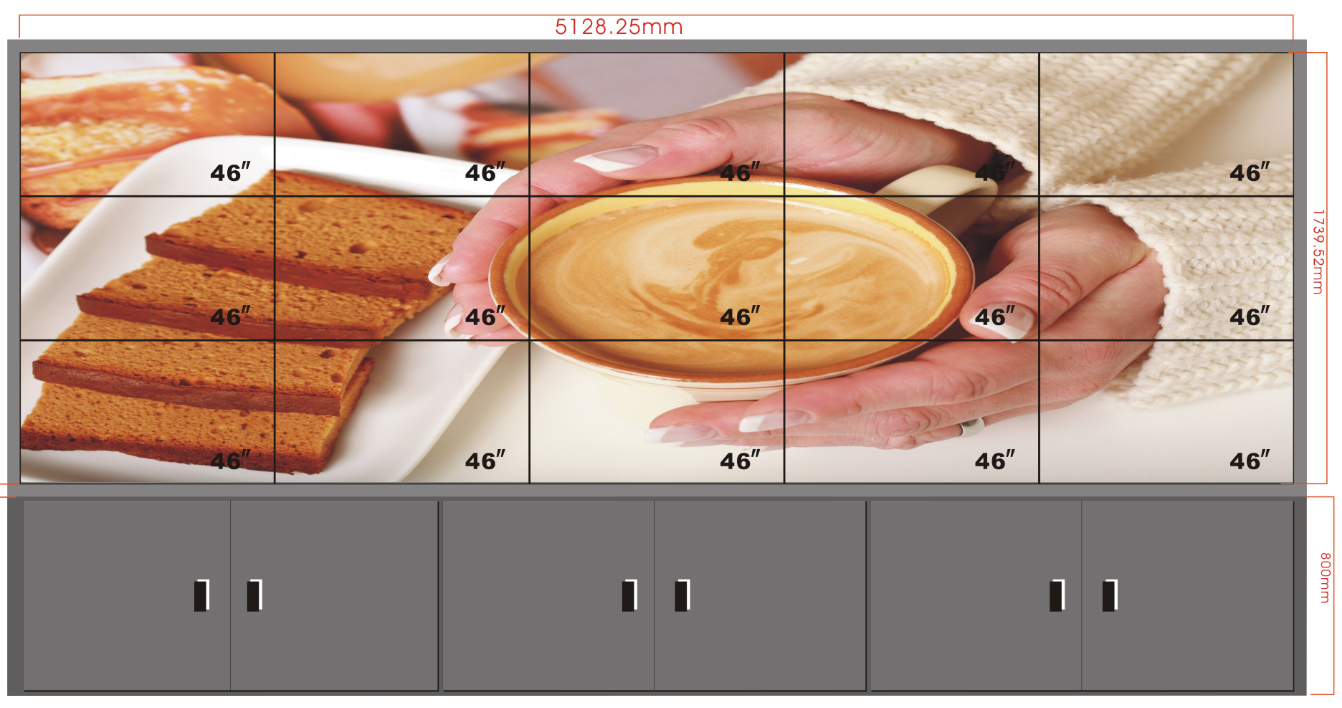
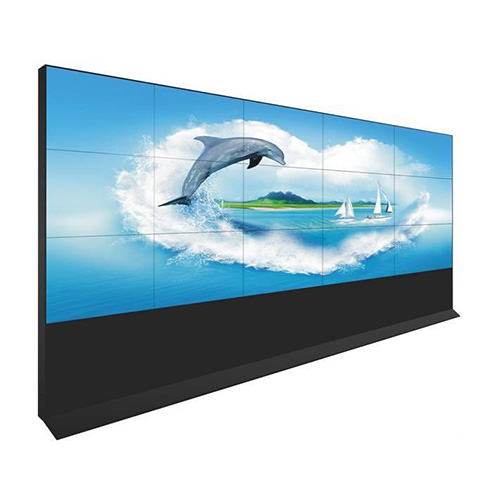
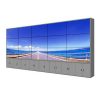

46 Inch 3×5 LCD Video Wall for Traffic Management Centers
Description
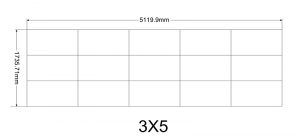
Cover the Road Network Across Fifteen Screens
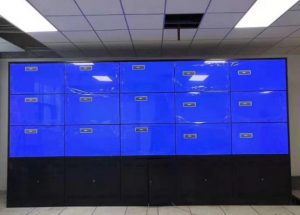
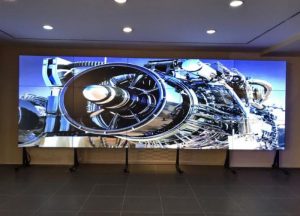
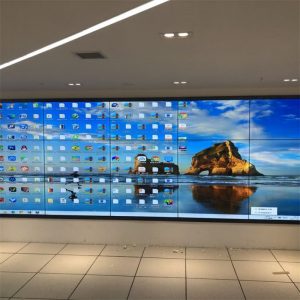
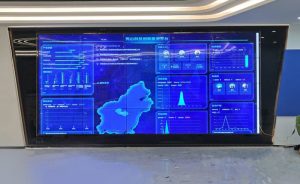
A 46 inch 3×5 LCD video wall for traffic management centers gives traffic duty personnel, dispatchers, incident coordinators and field-response teams one team-wide surface for road-network maps, junction cameras, incident lists, signal control, guidance messages, weather and response resources. The physical arrangement is useful only when each area supports a live operating decision instead of filling every panel with unrelated content.
Start with the questions the room needs to answer, then assign permanent and temporary feeds around those questions. Team-wide visibility needs to shorten coordination time and make responsibility, timing and next actions easier to understand.
Keep the Map Stable While Field Video Changes
The 46 inch 3×5 LCD video wall for traffic management centers needs to save named views for morning peak, evening peak, severe weather, accident response and major-event traffic control. Stable source positions reduce search time, while an agreed event view may enlarge the evidence that matters and not hiding context needed by other roles.
Each preset needs an owner, an agreed source list, a clear return path and a documented startup state. Duty personnel needs to recall a workflow in one action as opposed to rebuild windows while colleagues are waiting.
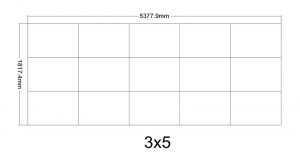
Confirm Readability Across a Five-Column Wall
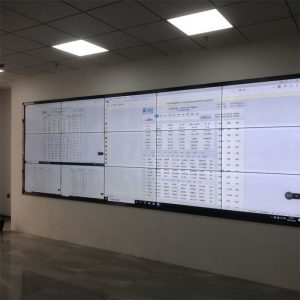
Content design needs to keep road names, lane numbers, event times, signal states and resource identifiers away from bezel intersections. Background maps, noncritical lines and decorative imagery may cross panel joints, but data used for a decision needs a verified single-panel safe area.
Use live files, labels, colors and moving images in design review. Generic promotional video cannot reveal whether small text, fine chart lines or status symbols remain readable from the farthest working position.
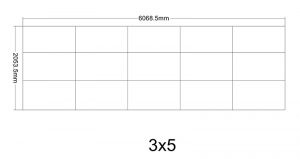
Align Time Across Cameras, GIS and Signal Control
A key project risk is different timestamps from GIS, cameras, detectors and signal systems creating a false event sequence. Source permissions, fallback screens, labels and operating roles needs to be agreed prior to commissioning so a convenient display does not create a governance or interpretation problem.
Administrative menus and engineering mappings needs to remain with authorized personnel. Daily users receive the feeds and presets required for their role, together with a neutral recovery view when a source is unavailable.
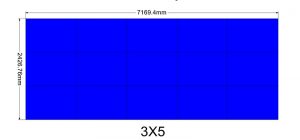
Design Maintenance And not Interrupting Operations
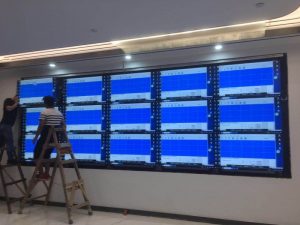
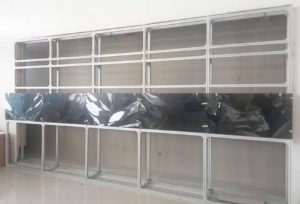
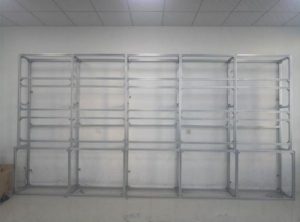
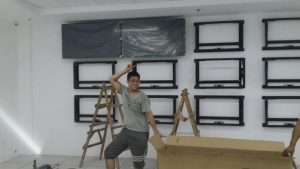
Installation planning for the 46 inch 3×5 LCD video wall for traffic management centers needs to account for five-column viewing angles, console distance, installation height and continuous control-room operation. Measurements needs to be taken from live working positions, and the structure needs to preserve ventilation, cable identification and a practical route for inspecting one panel and not disturbing unrelated views.
Panel numbers, processor outputs, inputs and cable labels needs to follow one convention. That record allows technicians to separate a source fault from a cable, processing-channel or panel-input issue prior to hardware is removed.
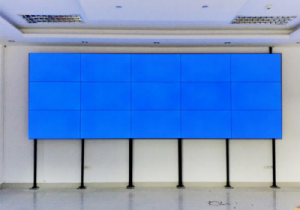
Run a End-to-end Traffic-Incident Acceptance Exercise
Acceptance of the 46 inch 3×5 LCD video wall for traffic management centers needs to reproduce a traffic incident from detection through camera confirmation, map expansion, resource dispatch, public guidance and restoration of normal traffic flow. This proves that panels, processing, feeds and people work as one operational system instead of merely proving that every output may show a test image.
The exercise needs to include a source interruption and recovery, preset recall, fine text, cross-screen lines, motion, color comparison and extended running. Handover records the accepted defaults and first troubleshooting steps.
Traffic-System Data Needed Prior to Quotation
Prior to quoting the 46 inch 3×5 LCD video wall for traffic management centers, provide road-network scope, GIS resolution, camera and detector outputs, signal-control feeds, console view, simultaneous windows, event presets, temporary feeds, cable routes and service strategy. These details determine panel placement, processing capacity, signal transport, mounting, control, spares, factory testing and site-service boundaries.
A end-to-end proposal separates display panels, structure, processing, extension, power, control, spare parts, factory integration and on-site work. Clear scope makes competing offers comparable and reduces interface disputes later.
Frequently Asked Questions
Why use a 3×5 view for traffic operations?
Its wide format keeps the network map central while incidents, cameras and response resources remain visible at both sides.
Needs to every camera receive a permanent window?
No. Views needs to follow detection, confirmation, coordination and recovery tasks as opposed to divide the wall equally by camera count.
Why needs to timestamps be checked?
Unsynchronized GIS, detector and video feeds may make duty personnel interpret the order of an incident incorrectly.
What needs to an acceptance exercise include?
It needs to cover detection, video confirmation, map enlargement, dispatch, guidance messages, source failure and return to the daily preset.
You must be logged in to post a review.
Related products
-

5×1 Vertical LCD Video Wall for Transport Terminals
Present Five Levels of Travel…
-
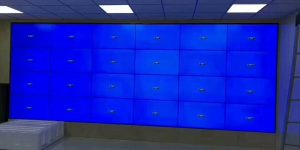
6×4 LCD Video Wall for Traffic Management Centers
Combine Road Networks and Junction…
-

4×1 Vertical LCD Video Wall for Broadcast Studios
Build a Clear Production Hierarchy…
-
3×4 LCD Video Wall for Emergency Coordination Rooms
Turn Twelve Screens into an…
Reviews
There are no reviews yet.